
How Buying a Home in Savannah, GA Is Different
A Guide for First-Time and Relocation Buyers
Buying a home in Savannah isn’t complicated — but it is different. If you’re a first-time buyer or relocating from another city or state, many parts of the process may feel unfamiliar at first.
Savannah’s neighborhoods, housing styles, and even the way closings work have nuances that don’t always show up in online listings. Understanding these differences early can help you avoid surprises, make better decisions, and feel confident throughout the process.
This guide explains how buying a home in Savannah works, what tends to catch buyers off guard, and how to approach the process with clarity instead of guesswork.
What First-Time Buyers in Savannah Often Underestimate
Many first-time buyers assume the buying process is mostly the same everywhere. In Savannah, a few local factors can make the experience feel different than expected.
Closing Costs Work Differently in Georgia
Georgia is an attorney-closing state, which means real estate closings are handled by real estate attorneys rather than escrow companies. This can affect how closing costs are structured. Also
First-time buyers are often surprised by how early some costs are disclosed and how the timeline flows compared to other states.
Insurance Can Be More Nuanced
Because Savannah is a coastal city with older homes and varied elevations, insurance considerations may include flood zones, older roof or electrical systems, and historic construction methods.
This doesn’t mean insurance is difficult — it just means it’s important to understand what applies before making an offer.
Older Homes Require a Different Mindset
Savannah has a large inventory of older homes, many with incredible character. First-time buyers sometimes underestimate maintenance expectations, common inspection findings, and the difference between cosmetic issues and structural concerns.
Understanding inspection reports in context is especially important here.
First-Time Buyers Guide
Why Relocation Buyers Experience
“Neighborhood Shock” in Savannah
One of the most common surprises for relocation buyers is how quickly neighborhoods can change block by block.
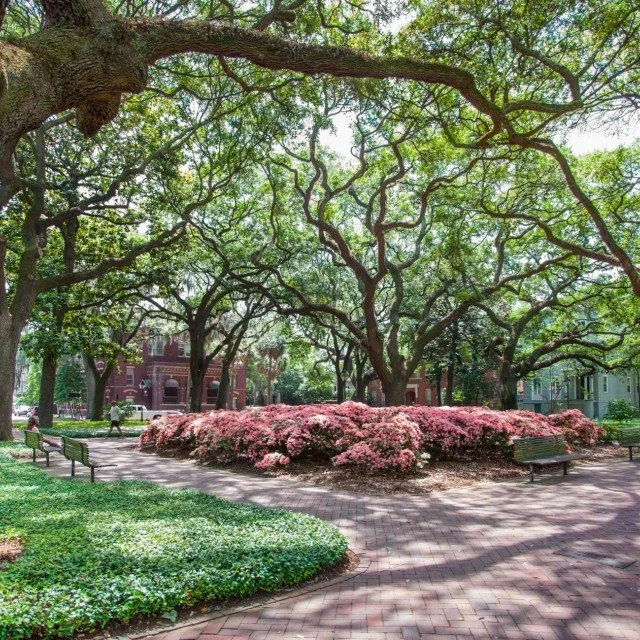
Savannah isn’t built around large, uniform master-planned communities. Instead, you’ll find historic districts next to modern infill, quiet residential streets near active commercial areas, and homes of very different ages and styles within the same neighborhood.
This makes in-person touring — or working with someone who understands micro-locations — especially important.
Historic vs. Non-Historic Areas
Savannah’s historic districts are beautiful, but they come with preservation guidelines, restrictions on exterior changes, and different insurance and renovation considerations.
Non-historic neighborhoods often offer more flexibility, newer construction, and fewer restrictions. Neither is better — the right fit depends on lifestyle and priorities.
Relocation Guide
How the Savannah Home Buying Timeline Works
While every transaction is unique, most Savannah home purchases follow a general flow:
Offer to Contract
Due Diligence and Home inspections
Appraisal
Home Stretch
Closing and Possession
Why Local Knowledge Matters More in Savannah
Savannah’s real estate market isn’t just about price and square footage. Buyers often need help interpreting flood zones, short-term rental rules, historic district guidelines, insurance considerations, and neighborhood lifestyle differences.
Local knowledge helps buyers understand what they’re seeing — not just react to listing photos.
Common Questions About Buying in Savannah
<a id="savannah-faqs"></a>
Is Savannah expensive compared to other Southern cities?
Pricing varies widely by neighborhood. Some areas offer strong value compared to other coastal cities, while historic and downtown locations command premium pricing.
Do I need flood insurance?
The cost of Ffood insurance depends on flood zone designation and lender requirements. Many homes are outside high-risk zones. However, if water rises, homeowners insurance will not cover the loss. Flood insurance is always a good idea.
Are historic homes harder to buy?
They’re not harder to purchase — they’re just different. Understanding inspections, maintenance expectations, and preservation rules makes the process smoother.
How much should first-time buyers save?
This varies by loan type, price point, and insurance needs. Closing costs and prepaid expenses are often underestimated.